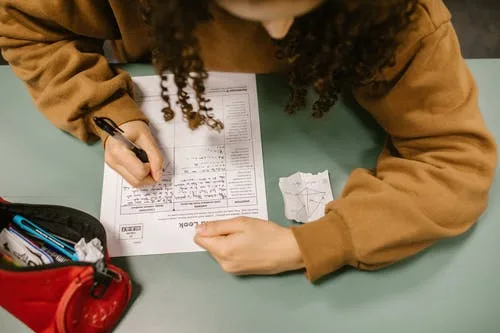
The Primary School Leaving Examination is a significant milestone in every child's academic journey. For many parents and students, the PSLE exam can feel stressful because it plays an important role in progression from primary school to secondary school. That is why many families search for practical ways to prepare well, reduce pressure, and help a child do their best.
If you are wondering how to score well in PSLE, the answer is not just studying harder. Strong PSLE preparation comes from smart planning, consistent revision, careful practice, and the right balance of support at home and in school. The goal is not only to memorise facts, but to build confidence, strengthen weak areas, and improve performance across all subjects.
This guide shares proven PSLE exam tips that can help students prepare more effectively. It covers the exam format, how to use past year papers, how to avoid careless mistakes, and how parents can provide meaningful parental support throughout the learning process.
What Is the Primary School Leaving Examination?
The Primary School Leaving Examination is the national exam taken by primary school students before they move to secondary school. The school leaving examination PSLE is a major step in a student’s academic path because it assesses readiness for the next stage of education.
For many families, the PSLE exam is more than just another set of exams. It is a period that shapes a child’s learning, routine, and confidence. This is why PSLE preparation should be approached with care. A calm and structured method can help students learn better and perform better without feeling overwhelmed.
How to Score Well in PSLE
If you want to know how to score well in PSLE, start with this: success comes from consistency, not panic. Many students only become serious close to the exam, but strong PSLE success usually comes from steady preparation, regular revision, and focused practice over time.
The best approach is to:
- understand the exam format
- build a realistic PSLE study plan
- use past papers and practice papers
- identify weak topics
- improve time management
- reduce stress
- get the right support from parents and teachers
When students follow these essential strategies, they are more likely to gain a deeper understanding of the syllabus and achieve good grades.
PSLE Preparation: Where to Start
Effective PSLE preparation starts with knowing where a child currently stands. Before doing endless worksheets, it helps to review recent classwork, test results, and prelim results if available. This gives a clearer picture of which subjects need more attention.
A good starting point is to:
- list all tested subjects
- identify strong topics and weak topics
- note recurring mistakes
- check whether the issue is content, speed, or answering questions
- create a simple weekly PSLE study plan
This part of preparation matters because the PSLE requires more than memorisation. It tests knowledge, application skills, and the ability to respond well under exam conditions.
Create a PSLE Study Plan That Works
A clear PSLE study plan gives structure to the learning process. Without one, students may spend too much time on familiar topics and not enough time on the areas that actually need work.
A useful PSLE study plan should:
- include all core subjects
- allocate time fairly across the week
- separate content review from timed practice
- include rest periods to reduce burnout
- leave room to review wrong answers
For example:
- Monday: English and science
- Tuesday: Mathematics and Mother Tongue
- Wednesday: review and topical practice
- Thursday: timed practice papers
- Friday: corrections and concept review
- Weekend: mixed revision and rest
When you allocate time properly, students can focus better and avoid last-minute panic.
Proven PSLE Exam Tips for Better Results
These proven PSLE exam tips can make a real difference during PSLE preparation:
1. Focus on key concepts first
Many students rush into doing many papers without mastering the key concepts. It is better to understand the topic first, then practise applying it.
2. Highlight keywords in questions
One of the simplest PSLE exam tips is to highlight keywords and key terms in each question. This helps a child avoid misreading instructions and improves accuracy when answering questions.
3. Practise under exam conditions
Doing work under real exam conditions helps students get used to the pace and pressure of the actual PSLE exam.
4. Review mistakes carefully
Do not just check whether the answers are right or wrong. Take time to explain why the wrong answers happened and what should be done differently next time.
5. Build application skills
The exam rewards application skills, not just memory. That is why practice should include challenging questions, not only easy drills.
These practical tips help students move from basic recall to stronger performance in actual exams.
Understanding the PSLE Exam Format
Knowing the exam format is an important part of PSLE preparation. Some students know the content but still lose marks because they are unfamiliar with how questions are structured.
Understanding the exam format helps a child:
- know what each paper expects
- prepare for the style of questions
- improve pacing
- reduce surprises in the exam room
The PSLE exam often tests both recall and application. That is why students should not depend only on textbook review. They should also work on how to present answers, manage time, and respond accurately under pressure.
How to Use Past Year Papers and Practice Papers
One of the most effective parts of PSLE preparation is working with past year papers, past papers, and practice papers. These help students see patterns, question styles, and the level of difficulty expected in the actual exam.
Why past year papers matter
Past year papers give a realistic sense of what the PSLE exam looks like. They also show common topics and how marks may be tested through different types of questions.
Why practice papers matter
Practice papers help students strengthen speed, accuracy, and familiarity with exam conditions. Doing enough practice papers also helps a child become more comfortable with the rhythm of the exam.
How to use papers properly
Do not just complete papers for the sake of completion. Use them to:
- identify careless mistakes
- find weak topics
- revise key concepts
- improve time management
- compare current performance with earlier attempts
A smart mix of past papers and practice papers is often more useful than doing random worksheets without purpose.
PSLE Papers and Topical Practice
Besides full papers, topical practice is also important. Full PSLE papers are useful, but they do not always solve specific topic gaps. If a child struggles with fractions, comprehension, or open-ended science responses, targeted practice on that area may be more effective first.
Topical practice helps students:
- strengthen weak content areas
- build confidence gradually
- improve knowledge step by step
- gain a deeper understanding before moving to full papers
The best approach is to combine both:
- use topical practice for weak areas
- use past year papers and practice papers for full exam preparation
PSLE Science Questions, English Comprehension, and Other Subjects
Each of the tested subjects needs a slightly different strategy.
English comprehension
For english comprehension, students should learn to read carefully, identify key terms, and support answers with evidence from the passage. Many marks are lost because a child understands the text but writes incomplete or vague responses.
PSLE science questions
For PSLE science questions, students need both content knowledge and explanation skills. It is not enough to know the fact. They must often explain clearly using the right scientific terms. Practising PSLE science questions can help build confidence in handling open-ended items.
Mathematics and other subjects
In Mathematics and other subjects, logical reasoning, method, and checking work matter a lot. Students should focus on the process, not just the final answer.
Across all subjects, regular revision and thoughtful practice are more effective than rushed memorisation.
How to Avoid Careless Mistakes
Many students know the content but still lose marks through careless mistakes. This is one of the biggest reasons performance drops in the PSLE exam.
Common careless mistakes include:
- misreading the question
- skipping a keyword
- writing incomplete answers
- copying numbers wrongly
- forgetting units
- leaving blanks
- choosing the wrong option even after working it out correctly
To reduce mistakes, a child should:
- slow down slightly when reading
- highlight keywords
- check work before moving on
- review wrong answers after practice
- pay more attention to question wording
Avoiding careless mistakes can improve scores without learning entirely new content.
Time Management During PSLE Preparation and in the Exam
Good time management is essential both before the exam and during it. During PSLE preparation, students need to allocate time wisely across all subjects. During the actual exam, they need to pace themselves so they do not spend too long on one question.
To improve time management:
- set a timer during practice papers
- divide revision into focused study blocks
- leave time at the end to review answers
- move on from a question if it is taking too long
- return later with a fresh look
Strong time management helps reduce stress and improves overall exam performance.
Exam Anxiety, Stress Management, and a Well Rested Mind
The PSLE exam can create a lot of exam anxiety and exam pressure for both students and parents. If stress becomes too high, it can affect memory, focus, and confidence.
Good stress management is part of strong PSLE preparation. A child performs better with a well rested mind than with exhaustion and panic.
Helpful ways to reduce stress include:
- keeping a realistic routine
- taking short breaks during study
- getting enough sleep
- doing simple breathing exercises
- speaking positively about progress
- avoiding last-minute cramming
A calmer student is often more accurate, more focused, and more confident in the exam room.
Build Confidence Through Revision
Strong revision helps students feel prepared and confident. The goal of revision is not to repeat everything endlessly. It is to revisit important areas, fix gaps, and make the content easier to recall.
Useful revision methods include:
- summarising notes
- using mind maps
- reviewing worked examples
- redoing past year papers
- checking corrections from past papers
- revising key concepts before sleeping
When students see improvement in their work, they build confidence naturally. That confidence matters a lot during exams.
Mind Maps and Smarter Revision Tools
Mind maps are useful for PSLE preparation because they help organise information visually. A child can use mind maps to connect ideas, group related facts, and remember processes more clearly.
This works well for:
- science
- vocabulary and writing points
- summary of key concepts
- topic review before a test
Using mind maps also helps some students who struggle with long notes. It turns revision into a more active part of the learning process.
Parental Support and How Parents Can Help Your Child
Parental support can make a big difference during the child’s academic journey. Parents do not need to become full-time tutors. What matters more is creating a stable environment, encouraging effort, and noticing when a child needs help.
Ways parents can help your child include:
- keeping a steady routine at home
- checking that revision materials are ready
- encouraging regular breaks
- speaking calmly about progress
- avoiding unnecessary pressure
- celebrating small improvements
- communicating with teachers when needed
The best parental support helps a child stay steady and motivated. When parents and teachers work together, the child often benefits more.
A Holistic Approach to PSLE Success
True PSLE success comes from a holistic approach. It is not just about drilling questions every day. It is about combining knowledge, habits, emotional balance, and regular improvement.
A holistic approach includes:
- consistent preparation
- meaningful revision
- regular practice
- good rest
- emotional support
- confidence building
- realistic goals
This helps students do well not only in the PSLE exam, but also in the transition to secondary school.
Final Practical Tips Before the PSLE Exam
Here are a few final practical tips that can help in the final stretch:
- review weak topics instead of rereading everything
- do a few more practice papers under timed conditions
- keep checking answers carefully
- do not panic over one bad practice result
- sleep early before the exam
- arrive prepared and calm
- trust the work already done
These final PSLE tips can help a child enter the exam with a clearer mind and stronger confidence.
Conclusion
If you want to know how to score well in PSLE, the answer is consistent PSLE preparation, smart revision, careful practice, and strong support from home and school. The Primary School Leaving Examination is a major milestone, but it does not have to feel overwhelming.
With the right PSLE study plan, enough past year papers, focused practice papers, stronger time management, and good stress management, students can improve steadily and sit for the PSLE exam with more confidence. The best results usually come when a child understands the content, practises under exam conditions, learns from mistakes, and gets the right support from parents and teachers.
If your child needs extra academic support beyond self-study, AceMyHomework also offers help with homework help, homework answers, and broader study guidance through the AceMyHomework blog. For students who need stronger study habits, it may also help to read The Best Way to Study Biology, How to Improve Your Critical Thinking Skills, and How to Manage College and Work. These guides can help build the discipline, focus, and learning habits that support long-term exam success.
In the end, PSLE success is not about fear. It is about preparation, confidence, and helping a child move forward with strong habits into the next stage of education.